
St. Pauli & Reeperbahn Tour Hamburg
The Beatles played 98 nights here, October–December 1960. St. Pauli is not a nightlife district — it's a real neighbourhood with a real history. This tour tells it.
Book This Tour →2.5 hours · Max 15 people · €35/person
Three days. A third of the city gone. The fire that destroyed Hamburg's medieval core was also the event that forced it to build the modern, organised city you see today — including the drainage system that finally ended the cholera epidemics.
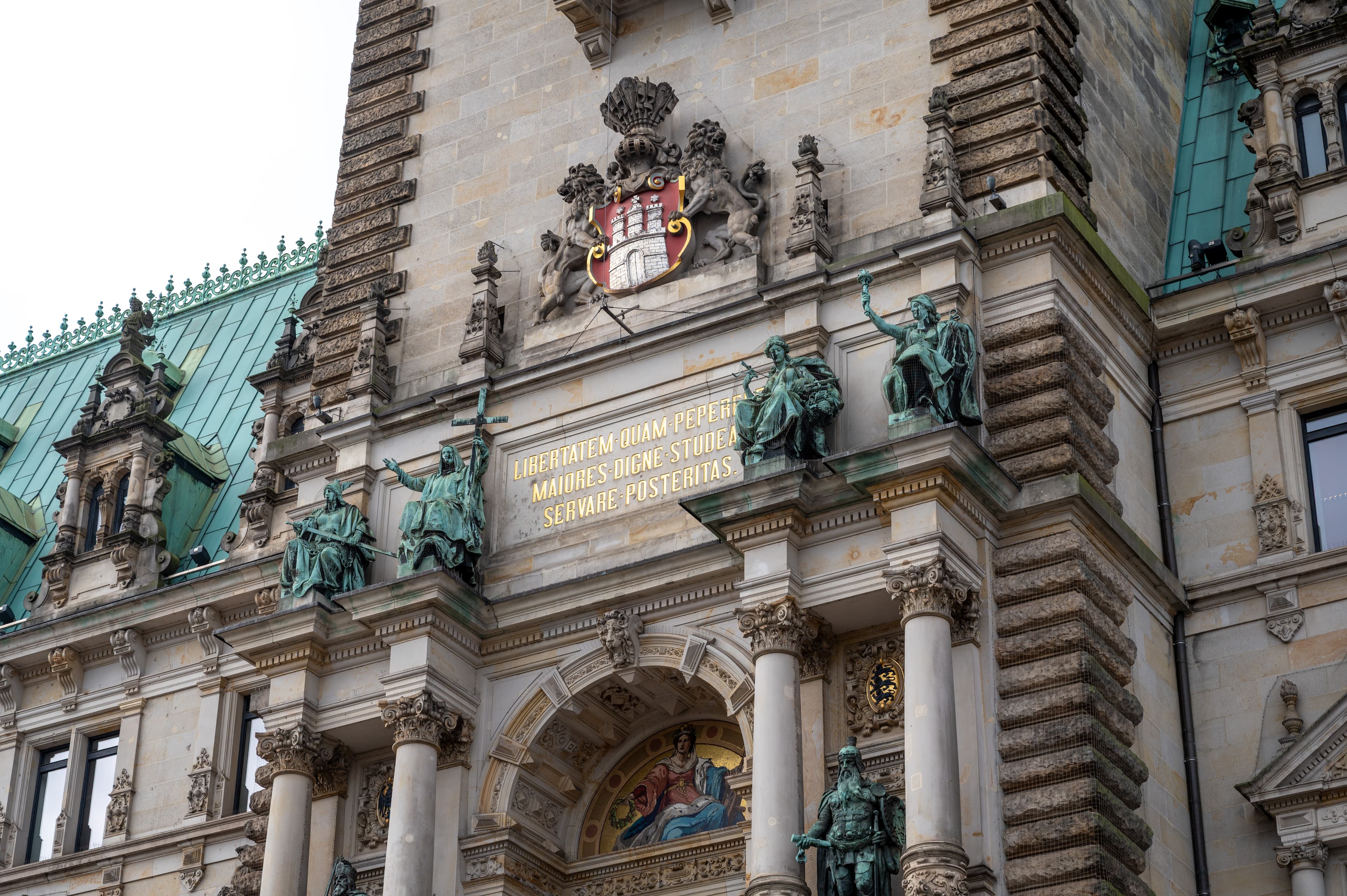
Built between 1886 and 1897 on 4,000 oak piles sunk into the ground. The floor plan is larger than Buckingham Palace. The 112-metre tower is a deliberate one metre taller than St. Petri church — the city asserting its authority over the church.
Hamburg has more bridges than Amsterdam or Venice — but most visitors never notice the canal network running beneath the city. We'll show you the Alsterfleet and explain how it turned a medieval marsh into a trading powerhouse.
In July 1943, the RAF and USAAF dropped 9,000 tonnes of bombs on Hamburg over 8 nights. The resulting firestorm killed 37,000 people. We'll stand at specific locations and tell the story that most tours skip entirely.
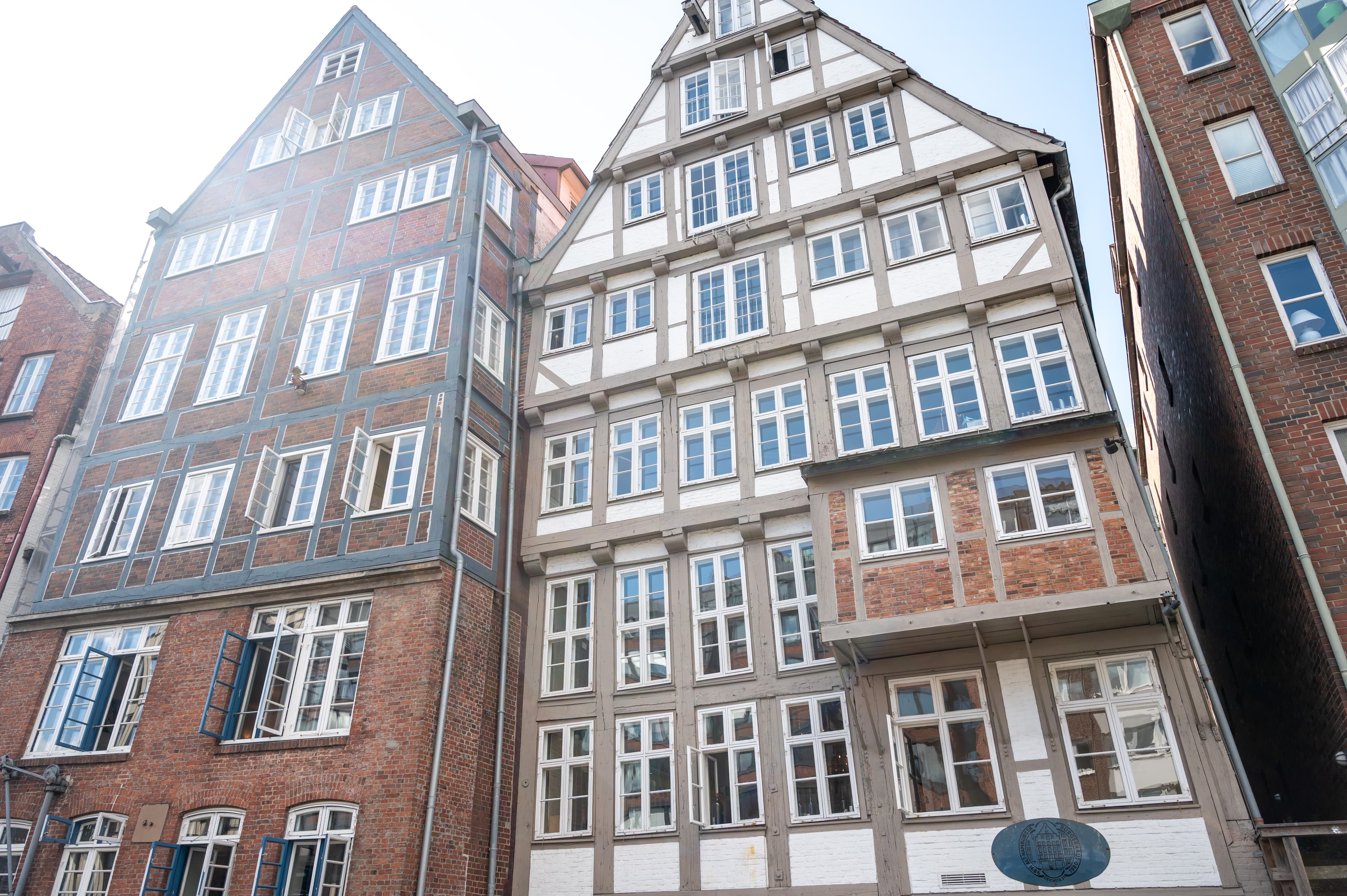
A row of 17th and 18th-century merchant houses on cobblestones that haven't changed since Hamburg was a trading republic. This is where the Great Fire of 1842 started — a candle in a chimney flue on the night of 5 May. We'll stand on the original cobbled road and reconstruct exactly how the fire spread from this point to destroy a third of the city.
Hamburg's wealth wasn't built on conquest — it was built on trade. The Hanseatic League, the free port status, the coffee trade. We'll connect the architecture you're standing in front of to the specific goods and routes that paid for it.
Meeting Point
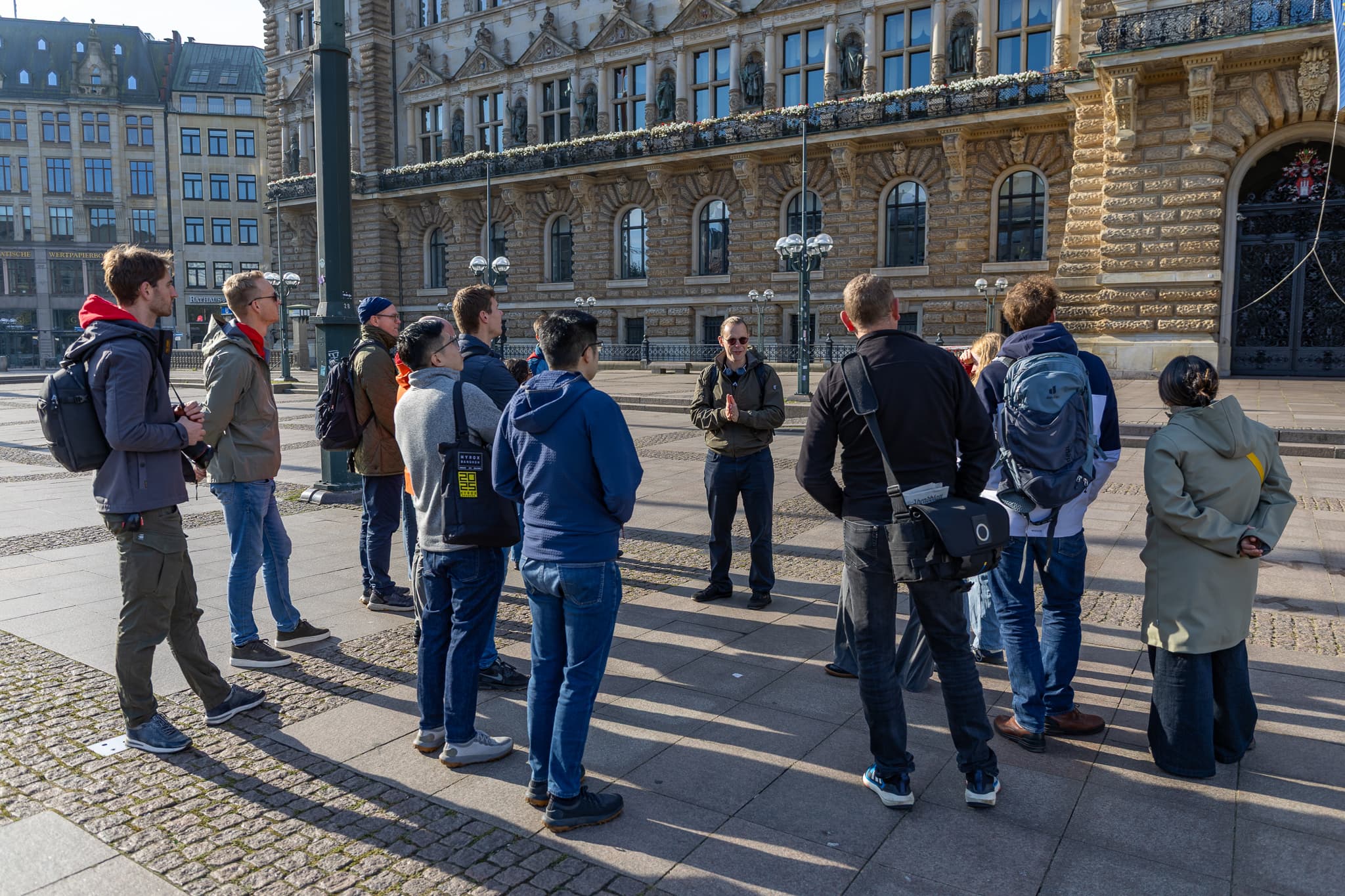
Rathausmarkt, HamburgHamburg's beating heart, and the first proper look at the city's relationship with water.
Hidden in plain sight, and most Hamburgers don't even know it's there. We'll only tell you where on the day.
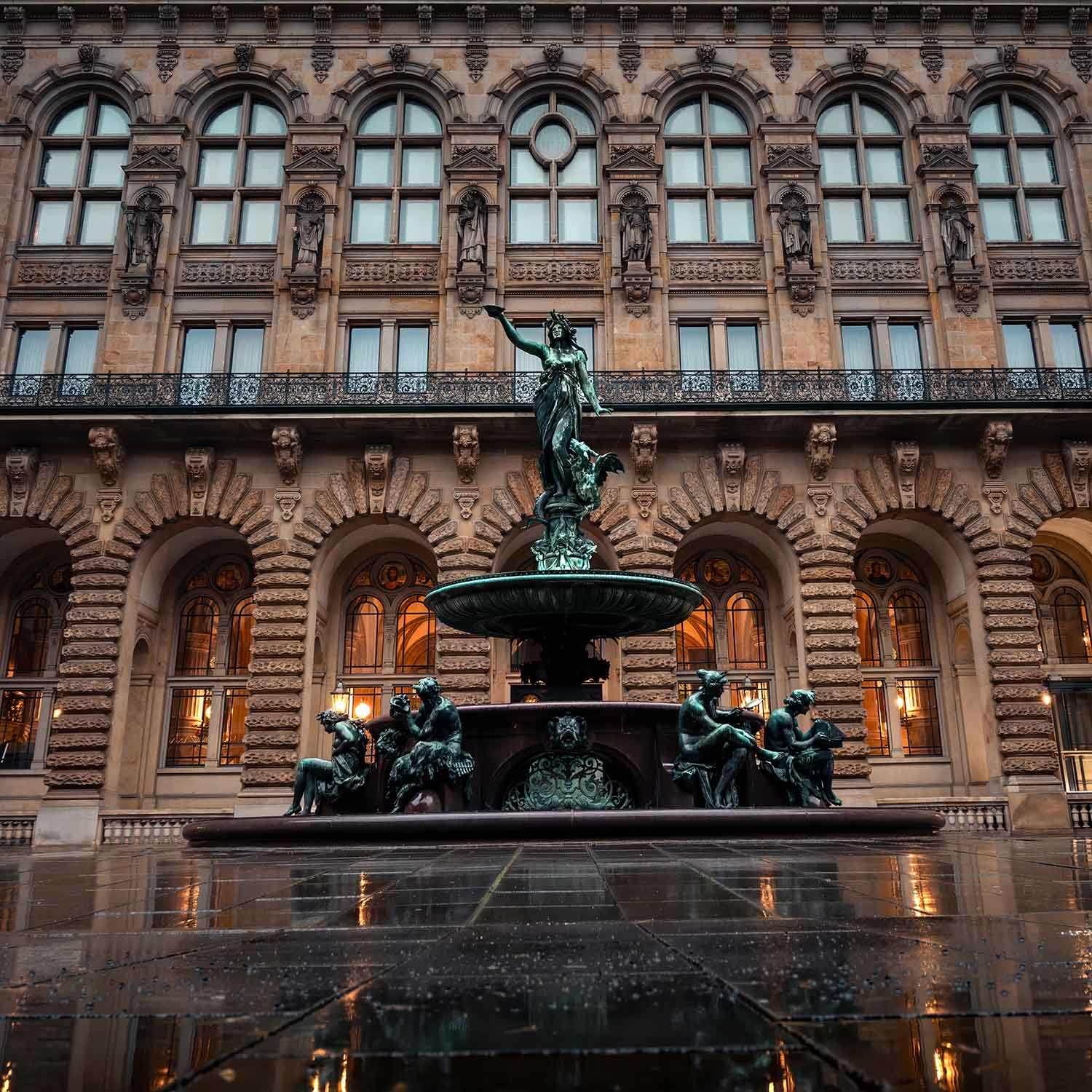
Hamburg's town hall, built to rival royal palaces — by a city that never had a king.
A monument with a story most visitors walk straight past.
One of Hamburg's five great main churches, and one of its oldest parishes.
The spot that gave Hamburg its name, over 1,200 years ago.
Hamburg's tradition of civic pride, in one building.
Once the dividing line between two medieval towns that became one city.
A ruined spire with one of Hamburg's most sobering stories.
Hamburg's oldest street, and the houses that survived when the city nearly didn't.
Meeting point
Rathausmarkt, 20095 Hamburg
In front of the main Rathaus entrance, at the top of the steps facing the market square.
Open in Google Maps →Duration
Group size
Languages
Price
Cancellation
Accessibility

10 years guiding in Hamburg
Kalvin grew up in South Africa and came to Hamburg in 2011 to study — and never left. Over ten years of guiding in English and German, he has built tours around the stories that most guidebooks skip: the specific people, decisions, and accidents that shaped the city you're walking through. He knows where the Great Fire started, why the Rathaus tower is exactly one metre taller than St. Petri, and what the Beatles were actually doing on Große Freiheit.
Favourite fact
“The Great Fire of 1842 burned for three days and destroyed a third of Hamburg's old city — but it also gave the city the chance to rebuild with the wide streets and drainage systems it desperately needed.”

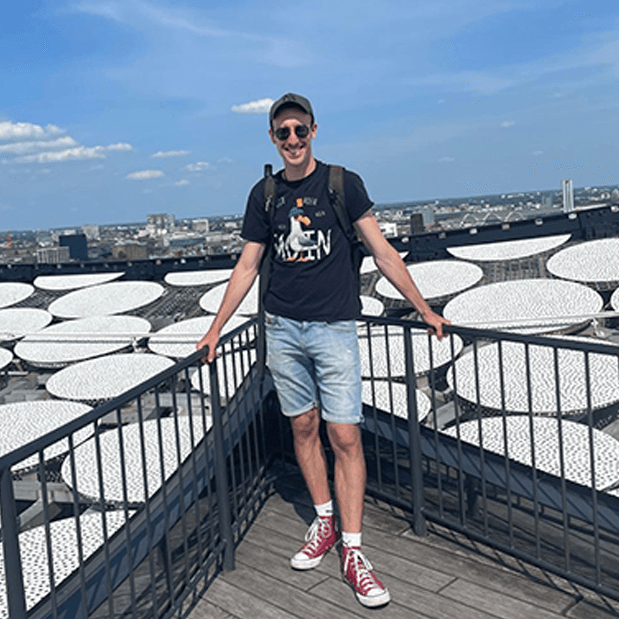
7 years guiding in Hamburg
Ramiro moved to Hamburg from Argentina seven years ago and never quite left — the city got under his skin fast. As a professional guide, he's spent those years exploring its streets and tracing the stories that built it, from its earliest beginnings to right now. For Ramiro, a good tour isn't just facts delivered in order — it's knowledge paired with a genuine experience. His aim is simple: share Hamburg's history and culture properly, and make sure every guest leaves with a memory worth keeping.
Favourite fact
“Hamburg has more bridges than Venice and Amsterdam combined.”
5 years guiding in Hamburg
Lukas grew up in a small town in Bavaria — and fell for Hamburg precisely because it offered everything his hometown couldn't. He studied computer science and economics before becoming a guide, and it shows: he tells Hamburg's history with the same care he'd bring to a spreadsheet, equally happy with a good story and a precise number.
Favourite fact
“For 116 years, Speicherstadt had its own customs border within the city of Hamburg.”
We cap every public tour at 15 people — and the average is usually 6–8. That means you can actually hear the guide, ask questions without feeling awkward, and have a genuine experience rather than a march through the streets.
Free cancellation up to 24 hours before your tour. Cancel within 24 hours and you'll receive a full refund. Cancel on the day — no refund, but we'll do our best to reschedule you if there's space.
Tours run in all weather — Hamburg is a rain city, and locals know it. We walk past covered arcades and sheltered spots on every route. Bring a waterproof jacket. If the weather is genuinely dangerous (storm, thunderstorm), we'll cancel and refund in full.
Yes — children aged 8 and up generally enjoy the tours. The walking distance is around 3 km over 2 hours at an easy pace. Children under 15 must be accompanied by an adult. If you have young children or a pushchair, let us know in advance and we'll advise on the best route.
Meeting points vary by tour. The Old Town tour starts at Rathausmarkt, right in front of the Rathaus. St. Pauli starts at the Pegelturm (water-level tower) at Landungsbrücken. The Speicherstadt tour starts in front of the Chocoversum chocolate museum at Messberg 1. You'll receive the exact meeting point details in your booking confirmation email.
Around 3 km over 2 hours at a relaxed pace — we stop frequently for stories and to take in the surroundings. Comfortable shoes are recommended. The Old Town and St. Pauli routes are fully paved and wheelchair-accessible. The Speicherstadt tour passes through a historic district that is predominantly cobblestone throughout — manageable, but worth knowing in advance for wheelchair users, pushchairs, or anyone with limited mobility.
Tours are available in English, German, and Spanish. Each tour is a single-language experience — not simultaneous translation. Book the tour in your preferred language. If your group speaks multiple languages, a private tour is the best option.

The Beatles played 98 nights here, October–December 1960. St. Pauli is not a nightlife district — it's a real neighbourhood with a real history. This tour tells it.
Book This Tour →
A UNESCO World Heritage warehouse district and a concert hall that cost €866 million. We'll explain why both matter — and why one almost bankrupted the city.
Book This Tour →